What to see in Lanzarote in 3 days: a must-do route around the volcanic island
Lanzarote surprises from the very first kilometre: dormant craters, vineyards growing on volcanic ash, villages with white façades and coves of clear water all coexist on an island that seems designed to be explored slowly. Three days are enough to cover the essentials if the itinerary is well planned, because although the map makes it look small, every corner invites you to stay longer than you had planned.
Day 1: the island's volcanic heart
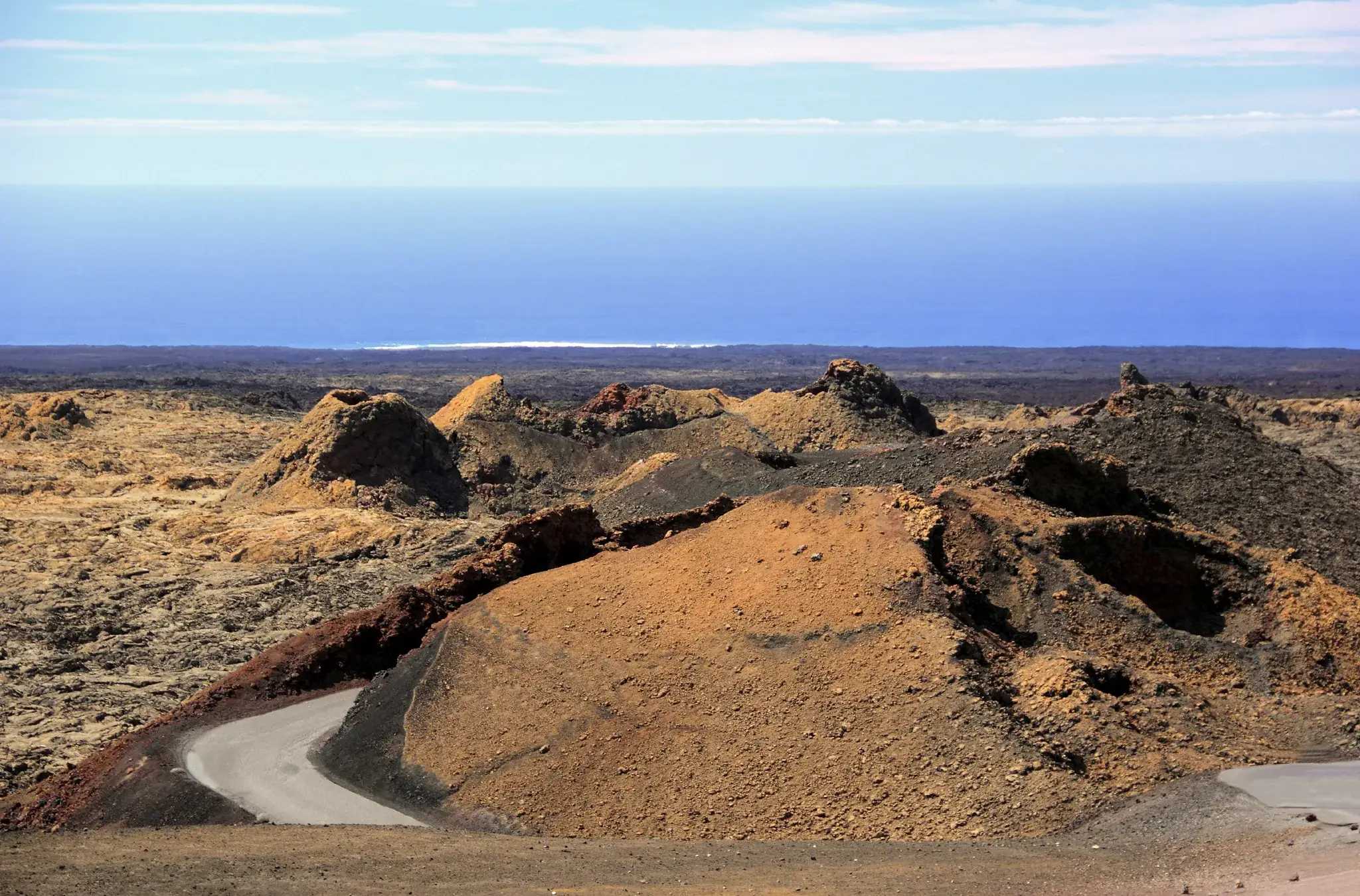
It's worth starting at Timanfaya National Park, Lanzarote's most recognisable postcard image. The Fire Mountains make it clear that this island was born of recent eruptions: the Route of the Volcanoes crosses craters, lava flows and lava fields in a landscape unlike anywhere else in the Canary Islands.
From Timanfaya, the road leads to El Golfo, where the Charco de los Clicos appears as an intensely green lagoon beside the Atlantic. A few minutes away, Los Hervideros show how the swell continues to carve the lava coastline. To end the day, the Janubio Salt Flats are a good option at sunset, when the low light tints the water in golden and pink tones.
Day 2: art, caves and the north of the island
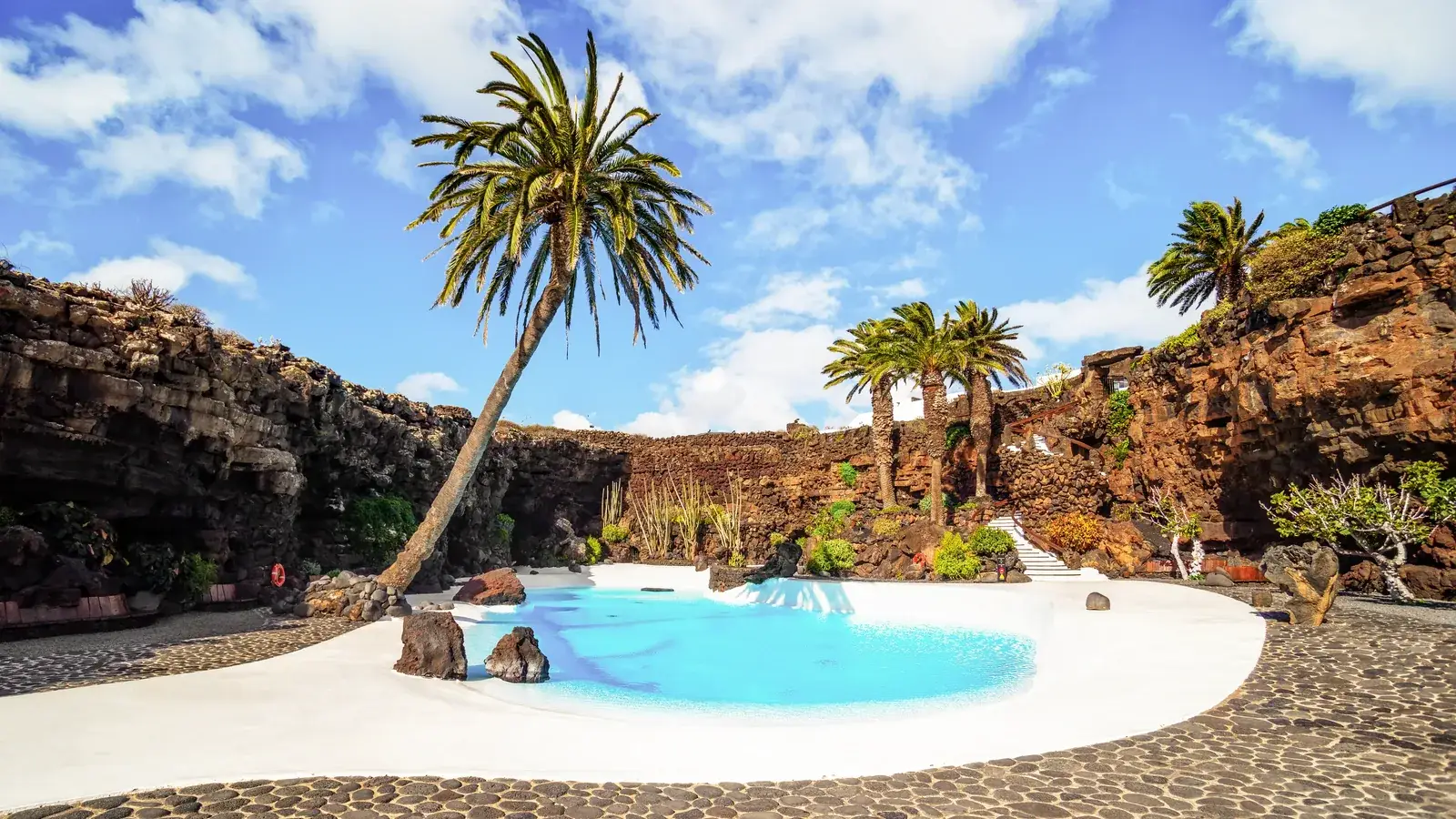
The second day is dedicated to César Manrique's legacy. Jameos del Agua transforms a volcanic tube into a space of gardens, a scenic pool and an auditorium, and remains one of the most recommended visits on the island. Very close by is Cueva de los Verdes, another stretch of the same tunnel carved out by the Corona Volcano.
The route continues to Mirador del Río, with views over the Chinijo Archipelago and La Graciosa. From there, the north unfolds into panoramic roads, quiet villages and a lava landscape softened by palm trees and whitewashed houses.
Day 3: vineyards, villages and the south coast
The third day deserves to be spent in La Geria, Lanzarote's wine-growing region. The vines grow protected by small volcanic stone walls that form an agricultural landscape unique in the Canary Islands, proof of how the island has made the most of land that at first glance looks hostile.
In the afternoon, Playa Blanca closes the route by the sea: nearby beaches, a stroll around Marina Rubicón or simply enjoying the relaxed pace of the south. Three days won't exhaust Lanzarote, but they will help you understand its character: an island where landscape, architecture and culture live together in balance.
FAQs
Are 3 days enough to see Lanzarote?+
Yes, three days let you get to know the essentials of the island: Timanfaya, Jameos del Agua, La Geria and the south. Every stop invites you to stay longer, but in that time you can comfortably cover the main sights without rushing.
What to see on the first day in Lanzarote?+
The first day is spent in the volcanic zone: Timanfaya National Park and its Route of the Volcanoes, El Golfo with the Charco de los Clicos, Los Hervideros and the Janubio Salt Flats at sunset.
Which works by César Manrique can you visit?+
Jameos del Agua and Cueva de los Verdes, both part of the same volcanic tunnel, as well as Mirador del Río, with views over the Chinijo Archipelago and La Graciosa.
What is La Geria, and is it worth visiting?+
La Geria is the island's wine-growing region, where vineyards grow among volcanic stone walls. It's one of the most distinctive agricultural landscapes in the Canary Islands and a perfect stop for the third day, along with Playa Blanca and Marina Rubicón.
You may also like
Best beaches in Lanzarote: coves, golden sand and volcanic landscapes
 Beaches
Best beaches in Lanzarote: coves, golden sand and volcanic landscapes
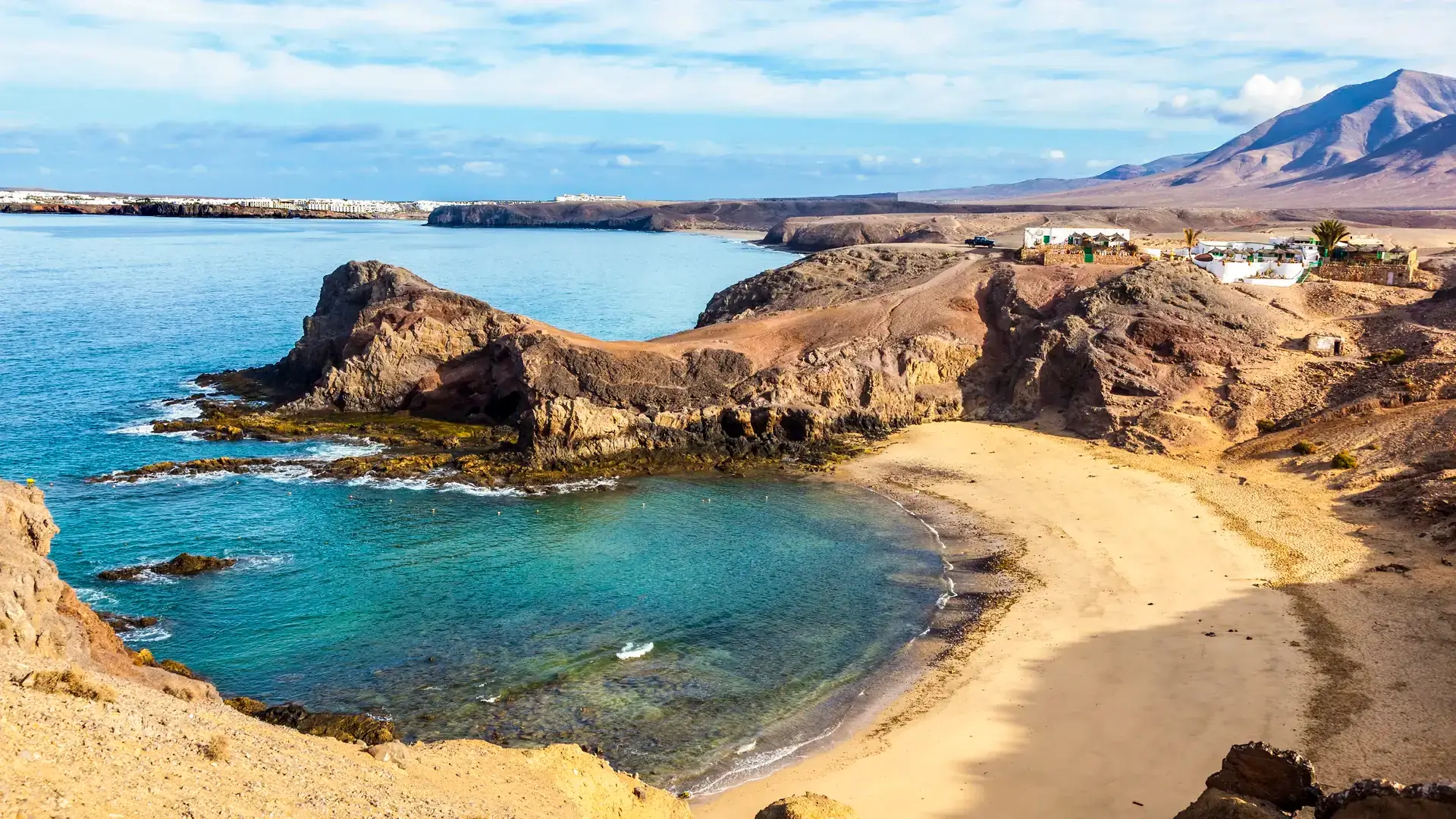
A guide to the best beaches in Lanzarote by type of trip: sheltered coves, family-friendly beaches and wild beaches by the Atlantic.
What to do in Lanzarote with children: family plans among volcanoes and beaches
 Guide
What to do in Lanzarote with children: family plans among volcanoes and beaches
Plans for enjoying Lanzarote with children: volcanoes, caves, calm beaches, charming villages and alternatives for windy days.